
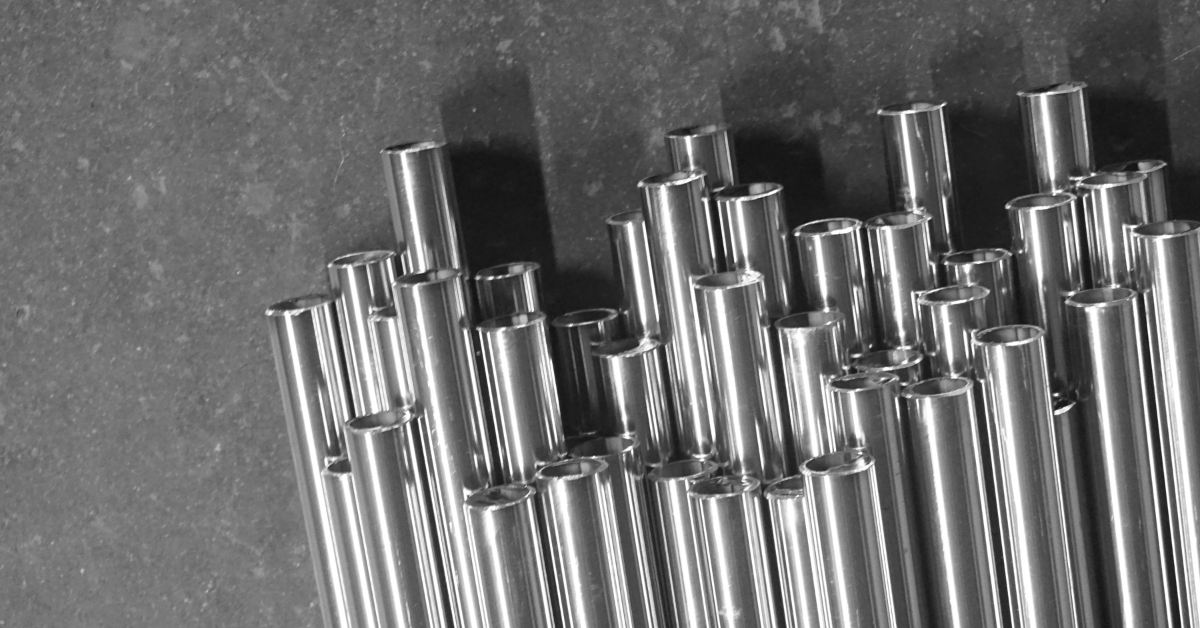
Stainless Exhaust Materials: The Backbone of Reliable and Efficient Exhaust Systems
Stainless Exhaust Materials are fundamental to building exhaust systems that deliver durability, performance, and long-term reliability. In automotive, motorsport, and industrial applications, exhaust components are constantly exposed to heat, vibration, moisture, and corrosive gases. Selecting the right materials at the design stage directly affects system efficiency, safety, and lifespan. Stainless exhaust materials are favored because they maintain structural integrity under extreme conditions while supporting smooth gas flow.
From custom exhaust fabrication to large-scale industrial installations, stainless materials provide consistency and confidence. Their resistance to corrosion, predictable thermal behavior, and compatibility with precision welding make them the standard for professionals who demand dependable results in demanding environments.
Understanding Stainless Exhaust Materials
Stainless exhaust materials include a range of stainless steel components specifically designed for exhaust system construction. These materials are engineered to handle high temperatures, pressure fluctuations, and chemical exposure produced during combustion. Unlike mild steel alternatives, stainless steel forms a protective oxide layer that prevents rust and surface degradation.
This inherent protection allows stainless exhaust materials to perform reliably without coatings or frequent maintenance. The result is a cleaner, longer-lasting exhaust system that retains both functional performance and visual appeal over time, even in harsh operating conditions.
Why Stainless Steel Is Ideal for Exhaust Systems
Exhaust systems operate in one of the most demanding environments on any vehicle or industrial machine. Stainless steel excels in these conditions due to its heat resistance and corrosion protection. Stainless exhaust materials can withstand sustained high temperatures without warping, cracking, or losing strength.
Another key advantage is stability during thermal cycling. Exhaust components repeatedly heat up and cool down, causing expansion and contraction. Stainless steel handles these cycles more predictably than many alternatives, reducing stress at joints and welds. This stability contributes to longer service life and fewer system failures.
Performance Benefits of Stainless Exhaust Materials
Performance is a primary reason stainless exhaust materials are widely used. Smooth internal surfaces promote efficient exhaust gas flow, reducing turbulence and back pressure. Improved flow helps engines operate more efficiently, supporting better power delivery and consistent performance.
In addition, stainless materials retain their shape under load, ensuring that exhaust routing and clearances remain stable over time. This consistency is particularly important in high-performance applications where even small changes in exhaust geometry can affect system behavior and output.
Corrosion Resistance in Harsh Environments
Exhaust systems are constantly exposed to moisture, road debris, and corrosive byproducts. Mild steel components often degrade quickly in these conditions, leading to rust, leaks, and structural failure. Stainless exhaust materials resist these effects, maintaining integrity even when exposed to water, salt, and chemicals.
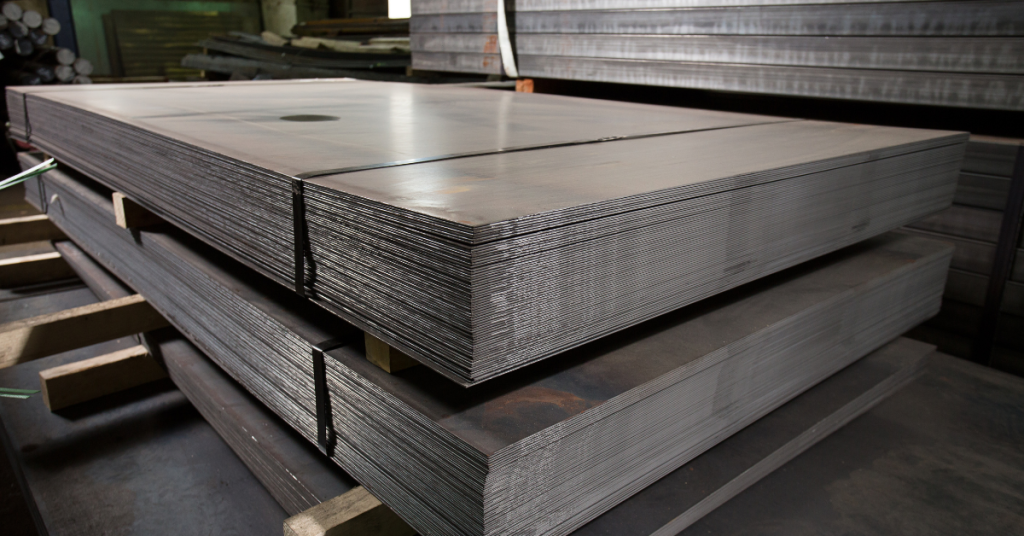
This resistance makes stainless materials suitable for vehicles operating in coastal regions, cold climates with road salt, or industrial environments with chemical exposure. Over time, corrosion resistance translates into lower maintenance requirements and improved reliability.
Role in Custom Exhaust Fabrication
Custom exhaust fabrication demands materials that are both adaptable and reliable. Stainless exhaust materials allow fabricators to create complex layouts while maintaining strength and performance. Their consistent material properties support precise cutting, forming, and welding, which is essential in bespoke builds.
For custom projects, flexibility in design is critical. Stainless materials can be combined into modular systems that are easy to modify or upgrade. This adaptability supports innovation while ensuring the final system meets performance and durability expectations.
Welding Compatibility and Structural Integrity
Welding quality plays a major role in exhaust system reliability. Stainless exhaust materials are well-suited for TIG welding, producing clean, strong joints when properly prepared. Consistent wall thickness and material composition help ensure uniform weld penetration and reduced risk of cracking.
Maintaining corrosion resistance at weld points is also important. With correct techniques and materials, stainless welds retain the same protective properties as the base metal. This ensures that the entire exhaust system performs consistently, even at its most critical connection points.
Heat Management and Thermal Stability
Heat is an unavoidable challenge in exhaust design. Stainless exhaust materials manage heat more effectively than many alternatives, maintaining strength at elevated temperatures. This thermal stability helps prevent deformation that can lead to clearance issues or component failure.
Effective heat management also improves safety. Exhaust components that retain their shape and strength reduce the risk of contact with surrounding parts. In performance and industrial systems alike, thermal stability supports both reliability and operational safety.
Applications Across Automotive and Industry
While commonly associated with automotive exhausts, stainless exhaust materials are widely used in industrial and commercial systems. They are found in generators, heavy machinery, processing equipment, and marine applications where exhaust reliability is critical.
In industrial settings, continuous operation places significant stress on exhaust components. Stainless materials support these demands by offering resistance to fatigue, corrosion, and thermal cycling. This versatility makes them a trusted choice across multiple sectors.
Longevity and Lifecycle Value
One of the strongest arguments for stainless exhaust materials is their long service life. Systems built with stainless components typically outlast those made from mild steel, even under similar operating conditions. Reduced rust and structural degradation contribute to extended usability.
Over the lifecycle of a system, this longevity results in fewer repairs and replacements. Although initial material costs may be higher, the reduced maintenance burden often leads to lower total ownership costs. For both individuals and businesses, this represents a practical investment.
Consistency and Manufacturing Quality
The performance of stainless exhaust materials depends heavily on manufacturing standards. Precision-controlled processes ensure consistent dimensions, surface finish, and material properties. These factors directly affect ease of installation and overall system performance.
High-quality stainless materials fit together more accurately, reducing the need for rework during fabrication. Consistency also improves predictability, allowing designers and fabricators to plan systems with confidence and achieve repeatable results across projects.
Supporting Efficient Exhaust Flow
Efficient exhaust flow is essential for optimal system performance. Stainless exhaust materials support this efficiency by maintaining smooth internal pathways and stable geometry. Reduced turbulence helps maintain gas velocity and consistent pressure levels.
In engines, improved exhaust flow can support better combustion efficiency and more predictable performance. In industrial systems, it ensures accurate removal of gases without loss or contamination. Stainless materials play a direct role in maintaining these efficiencies.
Importance of Sourcing Reliable Materials
Not all stainless exhaust materials offer the same level of performance. Material grade, forming accuracy, and surface quality all influence final results. Sourcing from a trusted supplier ensures access to components that meet professional standards.
High-quality Stainless Exhaust Materials provide fabricators with dependable building blocks for both custom and production systems. Reliable sourcing reduces fabrication challenges and improves overall project outcomes.
Maintenance Advantages Over Time
Exhaust systems built with stainless materials require less ongoing maintenance. Resistance to rust and heat-related degradation minimizes the need for frequent inspections or repairs. This is especially valuable in applications where access to exhaust components is limited.
Lower maintenance requirements also improve system uptime. For commercial and industrial operations, this reliability supports consistent productivity. Stainless exhaust materials help ensure that systems remain functional and efficient over extended periods.
Aesthetic and Professional Finish
Beyond performance, stainless exhaust materials offer a clean, professional appearance. Their surface finish remains attractive over time, resisting discoloration and corrosion. This is particularly important in visible installations or show-quality builds.
A well-finished exhaust system reflects the quality of the overall build. Stainless materials contribute to both visual appeal and functional excellence, reinforcing their value in high-standard fabrication projects.
Stainless Exhaust Materials in Modern Design
Modern exhaust design emphasizes efficiency, durability, and serviceability. Stainless exhaust materials align with these priorities by offering predictable behavior and long-term reliability. Their widespread adoption reflects their proven performance across demanding applications.
As standards continue to rise, the role of stainless materials becomes even more important. They support advanced designs that require precision and confidence in material performance.
Long-Term Reliability and Safety
Reliable exhaust systems are essential for safety and compliance. Stainless exhaust materials help maintain secure, leak-free systems that perform consistently under pressure and heat. Reduced risk of failure enhances safety for both equipment and operators.
This reliability is especially critical in environments where exhaust leaks could pose health or operational risks. Stainless materials provide the assurance needed for responsible system design.
Final Perspective on Stainless Exhaust Materials
Stainless Exhaust Materials form the foundation of high-quality exhaust systems across automotive and industrial applications. Their resistance to heat, corrosion, and fatigue ensures long-term performance in some of the most demanding conditions. By supporting efficient flow, strong welds, and stable geometry, they deliver consistent results that meet modern expectations.
Choosing premium Stainless Exhaust Materials allows fabricators and engineers to build systems that prioritize durability, efficiency, and reliability. For projects where performance and longevity matter, stainless exhaust materials remain the trusted and proven solution.