
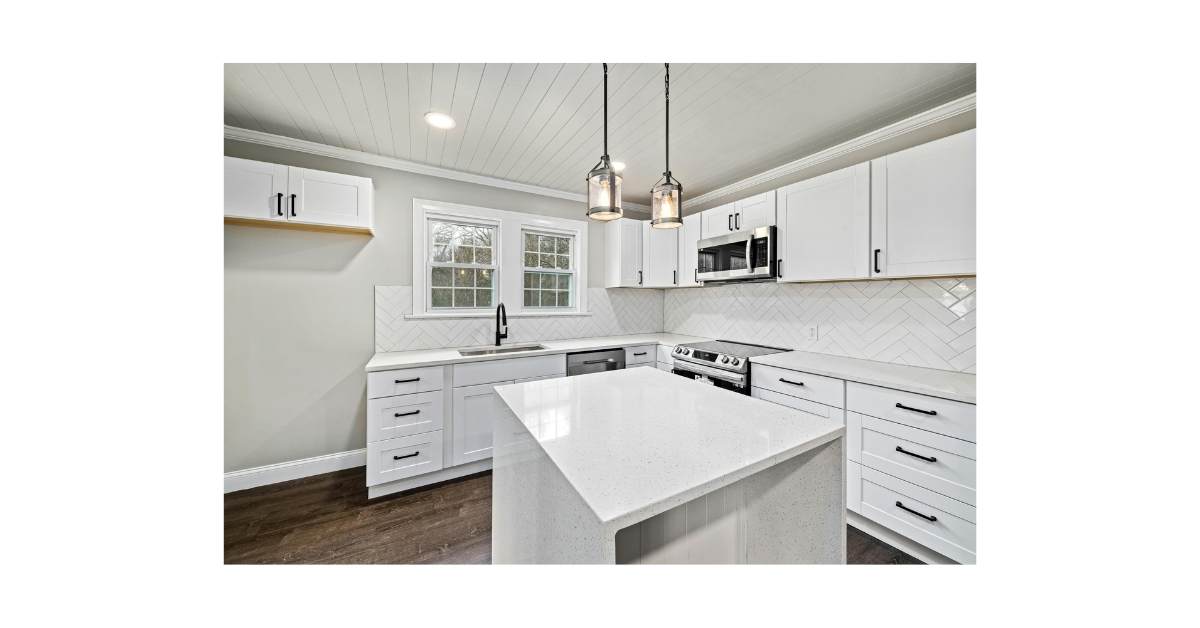
Cover Kitchen Countertops for a Modern, Budget-Friendly Upgrade
Cover kitchen countertops has become one of the most practical renovation strategies for homeowners who want a fresh kitchen look without the cost and disruption of full replacement. Instead of tearing out existing surfaces, modern covering methods allow you to enhance durability, style, and usability while preserving your existing structure. This approach is especially appealing for rental properties, older homes, or budget-conscious renovations where functionality and appearance must balance efficiently. In today’s kitchen design landscape, countertop covers are no longer temporary fixes; they are long-term, performance-driven solutions that align with both aesthetics and practicality.
Updating countertops through covering techniques also allows homeowners to experiment with trends such as marble visuals, concrete finishes, or warm wood textures without committing to expensive materials. The flexibility, speed of installation, and reduced waste make countertop covering an increasingly popular choice among designers and DIY renovators alike. As materials and technologies have improved, covered countertops now rival traditional surfaces in both appearance and resilience.
Why More Homeowners Choose to Cover Instead of Replace
Replacing countertops often involves demolition, plumbing adjustments, and extended downtime. In contrast, choosing to cover kitchen countertops minimizes disruption while delivering noticeable visual impact. Many homeowners prefer this method because it allows them to keep existing cabinets intact, avoiding alignment issues or structural risks that come with full replacement. Covering solutions are designed to work with existing laminate, tile, or even worn stone surfaces, making them adaptable to a wide range of kitchens.
Another major factor is cost efficiency. Covering materials and installation typically cost significantly less than stone or quartz replacements. This makes them ideal for homeowners planning to sell, landlords upgrading rental units, or families who want a refreshed kitchen without exceeding their renovation budget. Beyond affordability, covering options now offer impressive resistance to heat, moisture, and daily wear, closing the performance gap with premium countertop materials.
Popular Materials Used to Cover Kitchen Countertops
Several materials dominate the countertop covering market due to their durability, visual appeal, and ease of installation. Each option serves different needs depending on budget, kitchen usage, and design goals. Understanding these materials helps homeowners make informed decisions that align with both short-term and long-term expectations.
Vinyl wraps and adhesive films are widely used for quick aesthetic upgrades. They mimic stone, wood, or concrete finishes and are particularly popular for DIY projects. Epoxy resin coatings offer a seamless, glossy finish that can dramatically transform outdated countertops into modern statement pieces. Laminate overlays provide a more traditional solution, offering long-lasting performance with minimal maintenance. Tile resurfacing systems and concrete micro-toppings also appeal to homeowners seeking texture and depth without heavy construction.
Design Flexibility and Style Advantages
One of the strongest reasons to cover kitchen countertops is the design freedom it offers. Unlike fixed stone slabs, covering systems allow customization in color, pattern, and finish. Homeowners can adapt their countertops to evolving design trends without committing to permanent materials. This is especially valuable in open-concept homes where the kitchen must harmonize with adjacent living spaces.
Covering options also enable creative design choices such as matte finishes, veined marble looks, or industrial concrete styles. Because these systems are applied directly over existing surfaces, they eliminate many size and shape limitations found with traditional countertop slabs. This flexibility makes it easier to update kitchens with unusual layouts, curved edges, or integrated backsplashes while maintaining a cohesive visual flow.
Durability and Performance Considerations
Modern countertop covers are engineered for daily kitchen use, addressing concerns about longevity and resilience. High-quality epoxy coatings resist stains, scratches, and moisture, making them suitable for busy households. Laminate overlays and solid surface wraps provide consistent performance against heat and impact when installed correctly. These materials are designed to withstand cooking activities, spills, and frequent cleaning without losing their visual appeal.
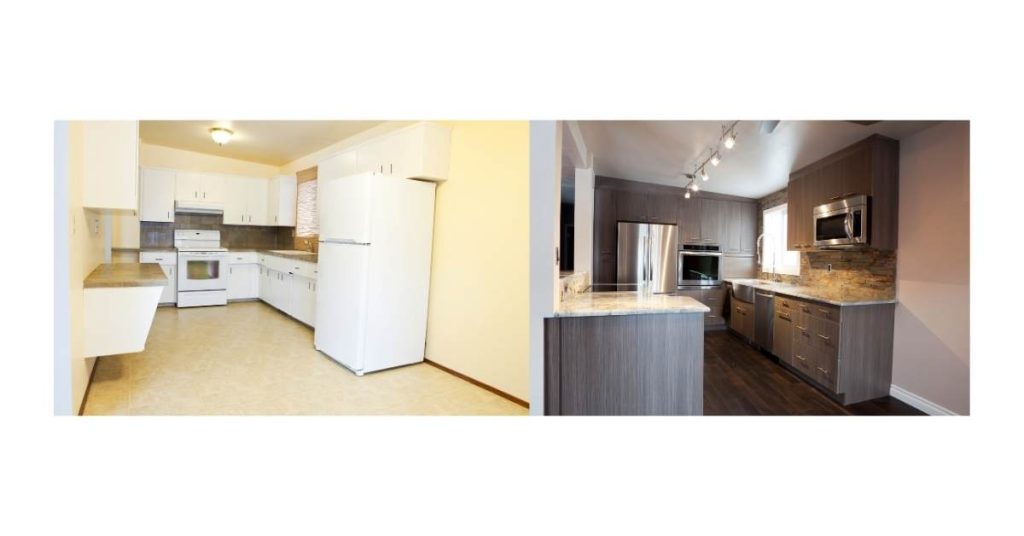
Maintenance is another key advantage. Covered countertops often require simple cleaning routines without the need for sealing or specialized products. This makes them ideal for families and individuals who prioritize low-maintenance living. With proper care, many countertop covers maintain their appearance for years, delivering long-term value comparable to more expensive replacement options.
Installation Process and Time Efficiency
The installation process is a major advantage when homeowners choose to cover kitchen countertops. Unlike full replacement, which can take several days or weeks, most covering systems are installed within a short timeframe. Many solutions are designed for same-day application, allowing kitchens to return to normal use quickly. This is particularly beneficial for households that rely heavily on their kitchen space.
Professional installation ensures optimal results, but many covering options are also DIY-friendly. Clear instructions, pre-measured materials, and minimal tool requirements make these systems accessible to homeowners with basic renovation experience. Whether professionally installed or completed as a DIY project, covering countertops significantly reduces labor complexity compared to traditional replacements.
Cost Efficiency and Return on Investment
Covering countertops offers an attractive balance between cost and visual impact. Homeowners can achieve a high-end look at a fraction of the price of stone or quartz installations. This affordability allows for broader renovation planning, freeing budget for other upgrades such as lighting, appliances, or cabinetry refinishing.
From a resale perspective, updated countertops enhance kitchen appeal, which remains one of the most influential areas for homebuyers. A well-executed countertop covering can improve perceived value without over-investing in materials that may not yield proportional returns. For those evaluating different methods to refresh surfaces, exploring practical guides on how to Cover Kitchen Countertops can provide deeper insights into suitable materials and techniques.
Environmental Benefits of Covering Countertops
Sustainability is an increasingly important consideration in home renovation decisions. Covering countertops reduces construction waste by preserving existing materials rather than discarding them. This approach aligns with environmentally responsible practices by minimizing landfill contributions and reducing the demand for new raw materials.
Many modern covering products are formulated with low-VOC compounds, improving indoor air quality during and after installation. By extending the life of existing countertops, homeowners contribute to resource conservation while still achieving modern aesthetics. This balance between sustainability and design makes countertop covering an appealing choice for environmentally conscious households.
Choosing the Right Covering Solution for Your Kitchen
Selecting the right covering system depends on factors such as kitchen usage, budget, and desired appearance. Busy kitchens benefit from durable, heat-resistant coatings, while decorative kitchens may prioritize visual texture and color variation. Understanding how each material performs under real-world conditions ensures long-term satisfaction.
It is also important to consider edge profiles, backsplash integration, and compatibility with existing sinks and appliances. Some covering systems allow seamless transitions, while others may require minor adjustments. Researching professional recommendations and installation requirements helps homeowners avoid common pitfalls and ensures the finished surface meets both functional and aesthetic expectations.
Long-Term Maintenance and Care
Proper maintenance extends the lifespan of covered countertops and preserves their appearance. Most surfaces benefit from gentle cleaners and soft cloths, avoiding abrasive tools that may damage finishes. Heat protection, such as trivets and cutting boards, further enhances durability by preventing surface stress.
Regular inspections for minor wear allow homeowners to address issues early, ensuring consistent performance over time. Many covering systems offer repair options that restore damaged areas without full resurfacing. For homeowners seeking detailed maintenance guidance and application techniques, resources on Cover Kitchen Countertops provide practical, step-by-step insights that support long-term success.
A Practical Approach to Kitchen Transformation
Covering kitchen countertops represents a smart intersection of affordability, design flexibility, and performance. It empowers homeowners to refresh their kitchens without the financial and logistical challenges of full replacement. As materials continue to evolve, covered countertops now offer durability and aesthetics that meet modern living standards.
By choosing the right covering method and maintaining it properly, homeowners can enjoy a renewed kitchen space that reflects personal style while supporting everyday functionality. This approach proves that impactful kitchen upgrades do not always require extensive demolition or high costs, making countertop covering a practical solution for contemporary homes.