

Exhaust Common Problem Explained for Modern Vehicles
An Exhaust Common Problem is one of the most overlooked issues in vehicle maintenance, yet it directly affects engine efficiency, fuel consumption, emissions, and overall driving comfort. From unusual noises to reduced power output, exhaust-related faults can silently degrade a vehicle’s performance over time. Modern exhaust systems are more complex than older designs, integrating sensors, catalytic converters, and emission-control components that demand proper understanding. Identifying early warning signs and understanding root causes helps vehicle owners prevent costly repairs while maintaining compliance with emission standards. Addressing exhaust problems promptly also ensures smoother acceleration, quieter operation, and a healthier engine lifecycle.
Understanding How the Exhaust System Works
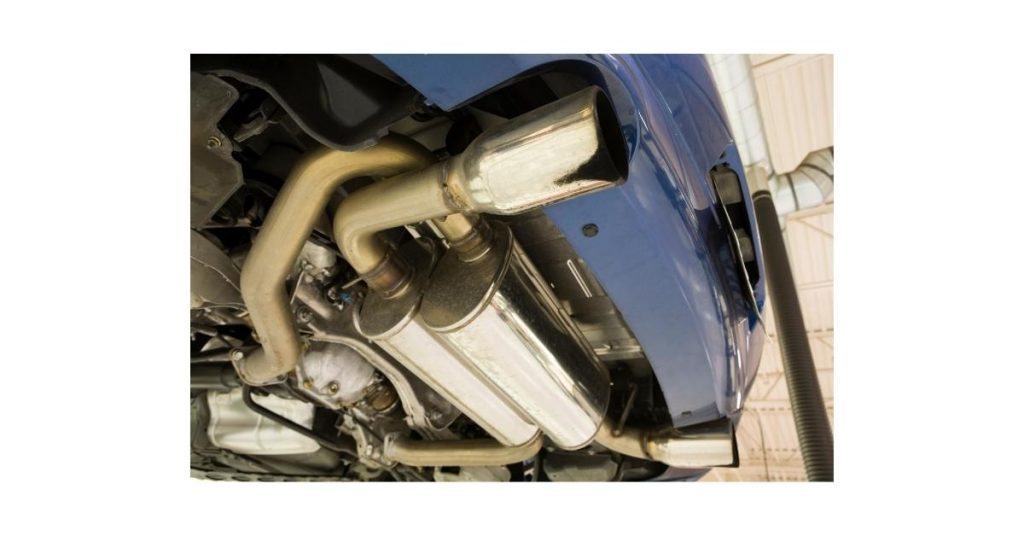
The exhaust system is designed to guide harmful gases away from the engine and passenger cabin while reducing noise and controlling emissions. It begins at the exhaust manifold, where gases exit the engine, and continues through pipes, catalytic converters, mufflers, and tailpipes. Each component plays a specific role in managing heat, pressure, and chemical composition. When any part malfunctions, it can trigger an Exhaust Common Problem that affects the entire system. Even minor leaks or blockages can disrupt airflow balance, leading to inefficiencies that ripple through engine performance and fuel economy.
Most Frequent Exhaust Common Problem Drivers Face
One of the most frequent exhaust issues drivers encounter is leakage caused by corrosion or physical damage. Rust forms gradually due to moisture exposure, especially in regions with high humidity or road salt usage. Another common cause is gasket failure, where worn seals allow exhaust gases to escape prematurely. Blockages, often due to carbon buildup or collapsed internal components, restrict gas flow and increase back pressure. These scenarios are typical examples of an Exhaust Common Problem that can worsen if ignored. Each issue presents distinct symptoms but shares the same risk of escalating repair costs.
Warning Signs That Should Never Be Ignored
Recognizing early warning signs is critical to preventing severe exhaust damage. Loud rumbling or hissing noises often indicate leaks or loose components. A noticeable drop in fuel efficiency may signal improper exhaust flow or sensor malfunction. Vibrations felt through the steering wheel or floorboard can suggest misaligned or damaged exhaust parts. In some cases, drivers may notice a strong smell of exhaust fumes inside the cabin, which is a serious safety concern. These symptoms usually develop gradually, making routine inspections essential for early detection.
Impact on Engine Performance and Fuel Efficiency
An unresolved exhaust issue disrupts the engine’s ability to expel gases efficiently. When exhaust gases cannot exit properly, engine back pressure increases, reducing power output and throttle responsiveness. This inefficiency forces the engine to work harder, leading to increased fuel consumption. Over time, prolonged strain may damage internal engine components. Addressing an Exhaust Common Problem early not only restores optimal performance but also helps maintain consistent mileage. Fuel efficiency improvements after repair often surprise drivers who underestimated the exhaust system’s influence on engine dynamics.
Emission Control and Environmental Consequences
Exhaust systems play a vital role in reducing harmful emissions through catalytic converters and oxygen sensors. When these components fail, vehicles may release excessive pollutants into the environment. Emission-related exhaust problems can also cause vehicles to fail regulatory inspections. Beyond legal implications, increased emissions contribute to air pollution and environmental degradation. Maintaining a healthy exhaust system ensures compliance with emission standards and supports environmentally responsible driving. Even a small leak before the catalytic converter can compromise emission control efficiency significantly.
Diagnostic Challenges in Modern Exhaust Systems
Modern vehicles rely on onboard diagnostics to monitor exhaust performance. Sensors continuously relay data to the engine control unit, triggering warning lights when abnormalities are detected. However, diagnosing exhaust problems can be complex because symptoms often overlap with other engine issues. A malfunctioning oxygen sensor, for example, may mimic fuel system problems. Professional diagnostics using specialized tools help pinpoint the exact cause. Understanding this complexity emphasizes why routine checks are essential to avoid misdiagnosis and unnecessary part replacements.
Long-Term Damage Caused by Neglect
Ignoring exhaust issues can lead to cascading failures throughout the vehicle. Leaks can overheat nearby components, damaging wiring or underbody materials. Excessive back pressure may shorten engine lifespan, while faulty sensors can cause improper fuel mixtures. Over time, these problems compound repair costs and reduce vehicle reliability. Addressing an Exhaust Common Problem promptly protects not only the exhaust system but also critical engine and drivetrain components. Preventive maintenance is far more cost-effective than major repairs caused by prolonged neglect.
Preventive Measures for Exhaust Longevity
Regular inspections are the cornerstone of exhaust system longevity. Visual checks for rust, loose mounts, or unusual soot deposits can reveal early-stage issues. Listening for abnormal sounds during startup or acceleration provides additional clues. Keeping the undercarriage clean, especially after driving in harsh conditions, reduces corrosion risks. Timely replacement of worn gaskets and clamps prevents minor leaks from escalating. Preventive care ensures the exhaust system continues to function efficiently, supporting overall vehicle health.
Professional Repair Versus Temporary Fixes
While temporary fixes such as sealants or patches may seem cost-effective, they rarely provide lasting solutions. Professional repairs address underlying causes, ensuring proper fitment and durability. Skilled technicians can assess whether components need repair or full replacement based on severity. Investing in professional service not only restores performance but also maintains safety and compliance standards. Long-term reliability depends on quality workmanship rather than short-term fixes that may fail unexpectedly.
Why Exhaust Awareness Matters for Every Driver
Understanding exhaust issues empowers drivers to make informed maintenance decisions. Awareness reduces the likelihood of sudden breakdowns and improves driving confidence. An efficiently functioning exhaust system enhances comfort, performance, and environmental responsibility. Drivers who prioritize exhaust health often experience smoother rides, better fuel economy, and fewer unexpected repairs. Exhaust awareness transforms routine maintenance into a proactive strategy for long-term vehicle reliability and safety.